
Why is it important for children to move when learning?
Movement is important for children’s learning because young children learn best through active, hands-on experiences rather than sitting still for long periods. Physical movement supports not only their health and physical development but also their cognitive, social, and emotional growth.
Encouraging movement throughout the day can have a significant impact on children’s learning and development.
Supports Brain Development and Learning
Research shows that movement helps stimulate brain activity, improving concentration, memory, and problem-solving skills. Activities that involve running, jumping, balancing, dancing, or climbing help strengthen neural connections that support learning. When children move, they are often more engaged and better able to retain new information.
Develops Gross and Fine Motor Skills
Movement helps children build the physical skills they need for everyday tasks. Gross motor activities such as climbing, hopping, and throwing develop strength, coordination, and balance. Fine motor activities, including threading, drawing, and manipulating small objects, prepare children for writing and self-care tasks.
Encourages Language Development
Active play creates natural opportunities for conversation. Whether children are playing a game, exploring outdoors, or participating in movement-based activities, they learn new vocabulary, practise communication skills, and develop their understanding of instructions and concepts.
Improves Emotional Wellbeing
Physical activity can help children regulate their emotions and reduce feelings of stress or frustration. Movement releases energy in a positive way and often contributes to improved mood, confidence, and self-esteem. Children who have opportunities to move freely are often better able to manage their emotions and focus on learning activities.
Builds Social Skills
Many movement activities involve cooperation, sharing, turn-taking, and teamwork. Through games, sports, dance, and imaginative play, children learn how to interact with others, develop friendships, and build important social and emotional skills.


Supports Different Learning Styles
Not all children learn in the same way. Some children are particularly kinaesthetic learners, meaning they understand and remember information more effectively when movement is involved. Incorporating physical activity into learning can make educational experiences more accessible and enjoyable for a wider range of children.
Promotes Healthy Habits
Establishing positive attitudes towards physical activity from an early age helps children develop healthy habits that can last a lifetime. Regular movement supports healthy growth, cardiovascular fitness, bone development, and overall wellbeing.

Practical Ways to Encourage Movement
Nannies and parents can incorporate movement into everyday learning by:
- Taking nature walks and discussing what they observe.
- Using action songs and rhymes.
- Creating obstacle courses.
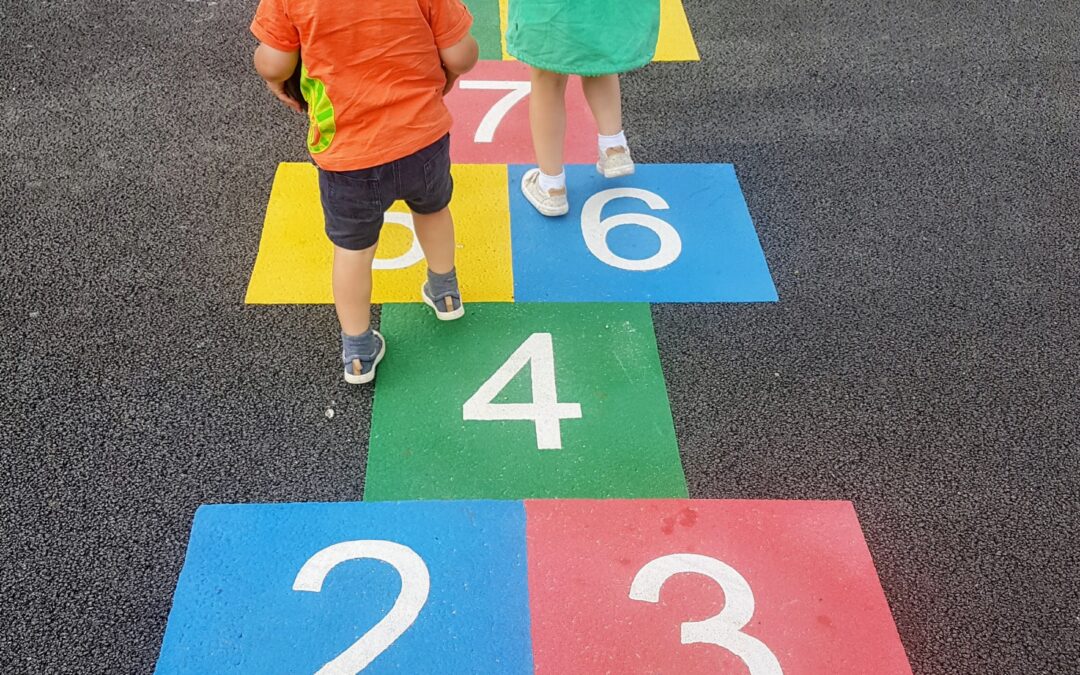
- Practising counting through jumping or hopping games.
- Acting out stories and characters.
- Encouraging outdoor exploration and free play.
- Using movement breaks during focused activities.

By weaving movement into daily routines, caregivers can create rich learning experiences that support children’s physical, cognitive, social, and emotional development. For children, movement is not a break from learning – it is an essential part of how learning happens.
Get in touch with The Yorkshire Nanny Company today to discover how our dedicated nannies can bring these principles to life in your home, creating a nurturing environment where your child can truly thrive.
